

I still remember the moment I got my first payout notification from TranscribeMe. I was sitting in a cyber café in Nairobi, refreshing my PayPal app, half-expecting disappointment. Instead, I saw real money sitting there, money I’d earned typing out audio files from my phone and laptop in my spare time. That single moment changed how I thought about online work.
If you’re reading this, chances are you’ve heard about transcription jobs but you’re not sure if they actually pay, especially here in Kenya. I get it. There’s so much noise online about “make money fast” schemes that turn out to be scams. TranscribeMe is different. It’s a real company, it pays in real dollars, and with consistent effort, you can realistically earn a decent side income.
In this article, I’m going to walk you through exactly how I made Ksh 15,000 in two weeks on TranscribeMe. I’ll show you the steps I took, the mistakes I made, and the shortcuts that actually worked. By the end, you’ll have a clear roadmap to start your own transcription journey, even if you’ve never done this kind of work before.
This isn’t a “get rich overnight” story. It’s a practical, honest breakdown of what worked for me. I want you to walk away with realistic expectations and a clear action plan, not empty hype.
Let’s get into it.
What Is TranscribeMe and Why Kenyans Are Joining
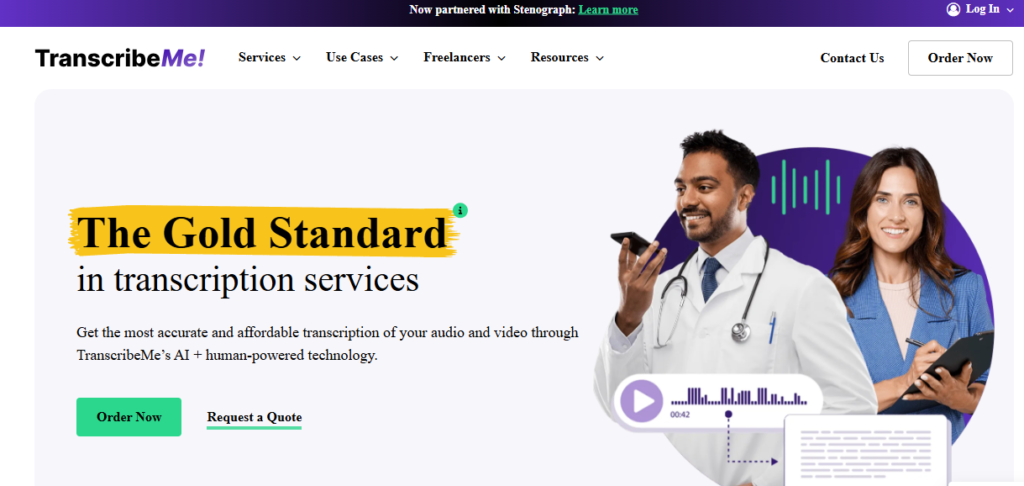
TranscribeMe is an online platform that hires freelancers to convert audio and video recordings into written text. Companies, researchers, and content creators upload audio files, and transcribers like you and me listen to them and type out what’s being said. It sounds simple, and honestly, it mostly is once you get the hang of it.
What makes TranscribeMe attractive for Kenyans specifically is that you don’t need a fancy degree or expensive equipment. All you really need is a laptop or smartphone, a stable internet connection, decent English comprehension, and patience. Payments are made via PayPal, which works well for most Kenyan freelancers who already use it for other online gigs.
Another reason this platform is gaining popularity locally is flexibility. You’re not tied to a 9-to-5 schedule. You can transcribe early in the morning before work, late at night after the kids sleep, or during weekends. This flexibility is huge for students, stay-at-home parents, and anyone juggling a day job while trying to build extra income.
I also noticed that TranscribeMe has a relatively low barrier to entry compared to other freelance platforms. You don’t need years of experience or a portfolio of past clients. You just need to pass their entry-level test, which evaluates your typing accuracy and attention to detail. Once you pass, you’re in the system and can start picking up jobs.
Lastly, the demand for transcription work isn’t going away anytime soon. Podcasts, interviews, academic research, and business meetings all generate audio that needs to be converted into text. As long as people keep recording content, transcribers will be needed. That demand is part of why I decided to give this platform a serious shot.
How I Got Started: My First Steps on TranscribeMe
My journey began with simple curiosity. I’d seen a few Facebook posts about people earning from transcription, so I decided to research properly before jumping in. I read reviews, checked forums, and confirmed that TranscribeMe was indeed a legitimate company before investing my time.
The first real step was signing up on their website. The registration process was straightforward: I provided my email, created a password, and filled in some basic personal details. There was no payment required to join, which was a relief because I’ve been burned before by platforms asking for “registration fees.”
After signing up, I had to take their qualification exam. This is where many people give up too early. The exam tests your transcription skills using short audio clips. You listen, type exactly what you hear, and submit. It’s stricter than you’d expect because they’re checking for accuracy, correct punctuation, and formatting.
I failed my first attempt. I’m being honest here because I want you to know that struggling at first is normal. I rushed through the audio without listening carefully twice, and my accuracy score wasn’t high enough. Instead of giving up, I reviewed their style guide thoroughly and tried again a week later.
On my second attempt, I passed. That feeling of finally getting approved was incredibly motivating. It told me that this wasn’t just another scam promising easy money. There was an actual skill barrier, which meant the people on the other side were serious about quality, and that gave me confidence the payments would be real too.
Setting Up for Success Before Taking Jobs
Before I started picking up paid transcription jobs, I made sure my workspace and tools were ready. This preparation phase made a huge difference in how fast and accurately I could work later on. Skipping this step is one of the biggest mistakes new transcribers make.
First, I invested in a decent pair of headphones. You might think any earphones will do, but clear audio makes a massive difference when you’re trying to catch mumbled words or distinguish between speakers. I used a simple pair of wired headphones I already owned, and it was enough to improve my accuracy significantly.
Second, I downloaded a free transcription software called Express Scribe. This tool lets you control playback speed, rewind a few seconds with a keyboard shortcut, and pause without touching your mouse. Using foot pedals is common among professional transcribers, but as a beginner in Kenya, this software was a budget-friendly alternative that worked just as well.
Third, I practiced my typing speed using free online typing tests. I discovered I was typing around 45 words per minute initially, which is decent but not great for transcription work where speed directly affects your hourly earnings. Within a week of daily ten-minute practice sessions, I pushed my speed closer to 60 words per minute.
Finally, I created a distraction-free work routine. I set aside specific hours, usually 6 AM to 8 AM before my day job, and 8 PM to 10 PM after dinner. Having a consistent schedule helped me build momentum instead of transcribing sporadically whenever I felt like it. This structure became the backbone of my two-week earning sprint.
Week One: Building Momentum and Learning the Ropes
My first week wasn’t about maximizing income. It was about learning the platform’s workflow and building speed without sacrificing accuracy. I want to be transparent that my first few days were slow and somewhat frustrating, but things picked up quickly once I found my rhythm.
On day one, I logged into the TranscribeMe dashboard and saw a list of available audio files. Each file shows its length and the estimated payout. I picked shorter clips first, around 5 minutes long, because I wanted to build confidence before tackling longer recordings. My first transcription took nearly 45 minutes to complete, which felt painfully slow.
By day three, I’d developed a better system. I started by listening to the entire clip once without typing, just to understand the context and accents involved. Then I’d go through it again in smaller chunks, typing as I listened, pausing whenever necessary. This two-pass method significantly reduced my errors and rework.
I also learned the importance of following TranscribeMe’s style guide religiously. They have specific rules about how to format timestamps, indicate inaudible sections, and handle filler words like “um” and “uh.” Ignoring these details, even when your transcription is otherwise accurate, can lead to rejected work or lower ratings.
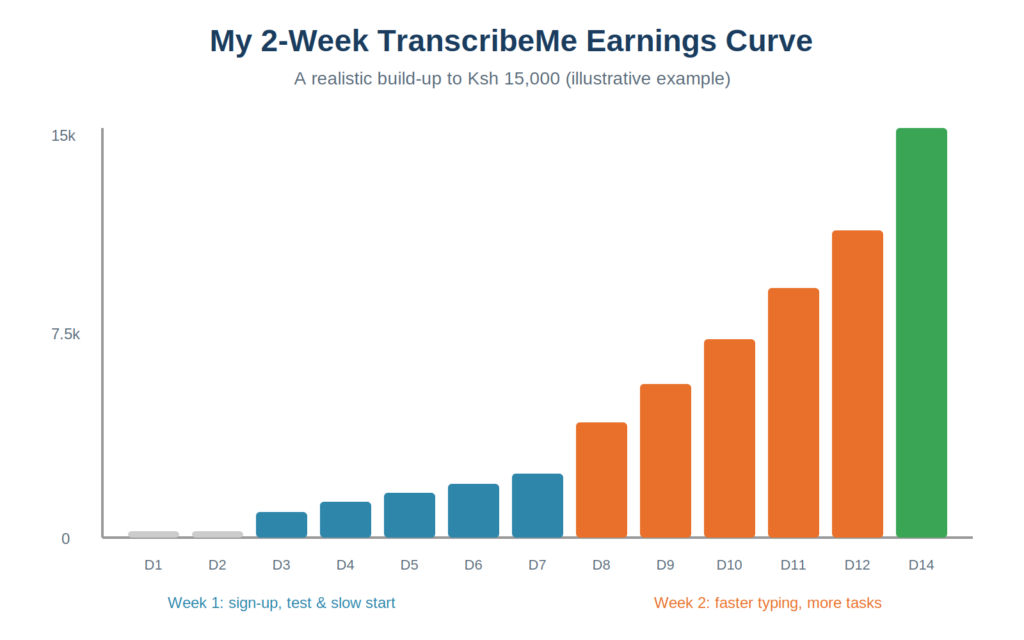
By the end of week one, I’d completed roughly 12 short audio files, earning approximately Ksh 4,500. It wasn’t massive money yet, but I could clearly see the pattern forming. My speed was improving daily, and I was becoming more comfortable navigating the platform, picking jobs, and submitting quality work without constant double-checking.
Week Two: Scaling Up and Hitting My Earning Goal
Going into week two, I had a clear strategy: work smarter, not just harder. I’d identified my peak focus hours and the types of audio files that paid well relative to the time they took to transcribe. This strategic shift is what really pushed my earnings toward that Ksh 15,000 milestone.
I started prioritizing clips with clear, single-speaker audio over noisy multi-speaker recordings. Single-speaker files were faster to transcribe because there was less guessing involved in identifying who said what. This simple filtering decision probably saved me hours of work across the week.
I also extended my daily working hours slightly, adding an extra 30 minutes during my lunch break at my day job. It wasn’t ideal, but those extra minutes added up. Over five working days, that’s roughly two and a half additional hours dedicated purely to transcription work.
By midweek, my typing speed had improved to nearly 70 words per minute, and my accuracy stayed consistently above 98 percent based on the feedback scores I received. Higher accuracy mattered because TranscribeMe occasionally offers better-paying jobs to transcribers with strong track records, so quality directly impacted my future earning potential.
By the end of day fourteen, I tallied up my total earnings across both weeks and landed at just over Ksh 15,000. Seeing that number confirmed something important: this wasn’t luck. It was the direct result of consistent effort, smart job selection, and steadily improving my core skills.
Practical Tips to Replicate My Results
If you want to follow a similar path, there are specific habits and strategies that made the biggest difference for me. These aren’t complicated tricks, just practical adjustments that compound over time when applied consistently.
First, prioritize accuracy over speed initially. It’s tempting to rush through files to earn faster, but mistakes lead to rework, rejected submissions, or lower quality ratings. Slow down at first, nail your accuracy, then gradually increase your speed as you become more comfortable with the platform’s requirements.
Second, choose your audio files strategically. Look for clear recordings with minimal background noise and fewer speakers. These are easier to transcribe correctly the first time, which saves you time compared to struggling through poor-quality audio with heavy accents or overlapping conversations.
Third, invest a little time in learning keyboard shortcuts within Express Scribe or whatever transcription software you choose. Being able to pause, rewind, and adjust playback speed without reaching for your mouse saves precious seconds on every single sentence, and those seconds add up significantly over hundreds of sentences.
Fourth, set a consistent daily schedule rather than transcribing randomly whenever you feel motivated. Treating this like a real part-time job, with dedicated hours, builds discipline and momentum. Random, inconsistent effort rarely produces meaningful income, no matter how good your typing skills are.
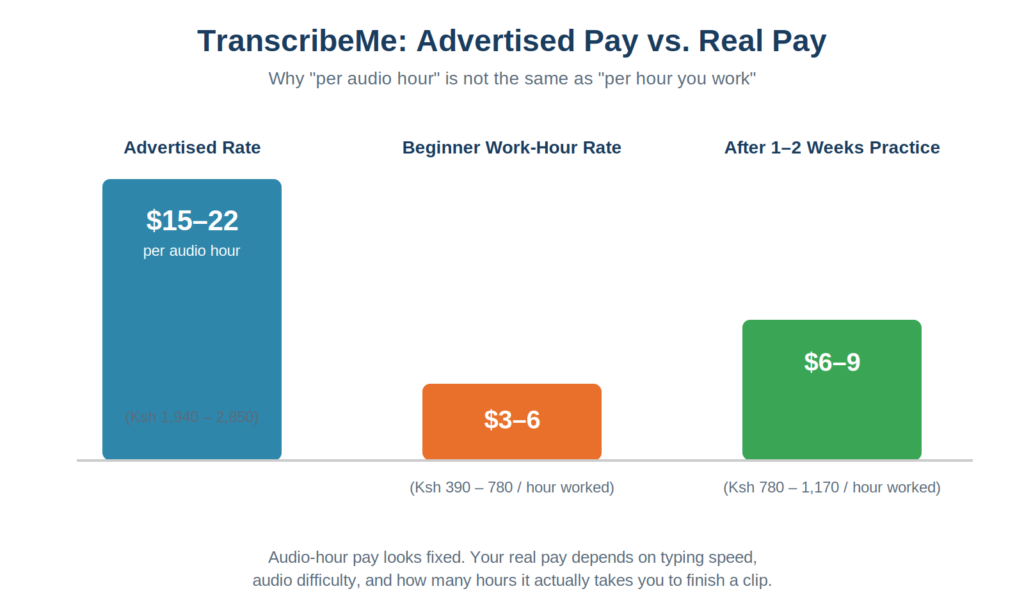
Fifth, track your earnings and time spent so you can calculate your effective hourly rate. This data helps you identify which types of jobs are genuinely worth your time and which ones you should skip. Treating this like a small business, even a side hustle, makes a real difference in long-term results.
Common Challenges I Faced and How I Solved Them
No journey is without obstacles, and mine had several. Being upfront about these challenges will help you prepare better and avoid unnecessary frustration when you start your own transcription work on TranscribeMe.
One major challenge was internet connectivity. Streaming audio files while typing requires a stable connection, and occasional power outages or slow internet days disrupted my workflow. I solved this by purchasing affordable data bundles specifically for working hours and ensuring my phone was always charged as a backup hotspot.
Another challenge was dealing with difficult accents and background noise in certain audio clips. Some recordings featured speakers with strong accents unfamiliar to me, making transcription slower and more error-prone. I learned to simply skip particularly difficult files rather than wasting excessive time forcing my way through them.
Eye strain and fatigue became noticeable after long transcription sessions, especially during week two when I pushed extra hours. I addressed this by taking short five-minute breaks every 25 minutes, a technique similar to the Pomodoro method. This kept my focus sharp and reduced the mental exhaustion that comes with prolonged concentration.
I also struggled initially with formatting rules, particularly around punctuation and timestamp placement. TranscribeMe has detailed guidelines, and getting these wrong repeatedly can hurt your quality score. I kept their style guide open in a separate browser tab at all times until the rules became second nature to me.
Lastly, payment timing required patience. TranscribeMe doesn’t pay instantly; there’s a processing period before funds are released to your PayPal account. Understanding this timeline in advance helped me manage my expectations and avoid unnecessary anxiety while waiting for my well-earned money to arrive.
Is TranscribeMe Worth It for Kenyans in 2026?
After completing this two-week challenge, I genuinely believe TranscribeMe is worth considering for Kenyans looking for legitimate online income. It won’t make you rich overnight, but it offers a realistic path to consistent side income if you’re willing to put in focused effort and develop the necessary skills.
The flexibility factor alone makes it appealing. Whether you’re a university student with gaps between classes, a stay-at-home parent, or someone working a day job who wants extra income, transcription fits around your existing schedule rather than demanding you restructure your entire life around it.
That said, it’s important to set realistic expectations. My Ksh 15,000 in two weeks resulted from genuine effort, consistent scheduling, and continuous skill improvement. Results will vary based on your typing speed, available time, and how quickly you adapt to the platform’s requirements and audio file selection strategies.
I’d also recommend treating this as one income stream among several rather than your sole source of earnings, at least initially. Diversifying your online income sources, while focusing seriously on improving your transcription skills, creates more financial stability than relying entirely on one platform.
If you’re patient, disciplined, and willing to learn, TranscribeMe can genuinely become a reliable part of your monthly income. It worked for me, and with the steps outlined in this article, it can work for you too. Start today, stay consistent, and track your progress, because that combination is exactly what got me to Ksh 15,000 in just fourteen days.