

I still remember my first broke month at university. Fare money finished before the third week, and I was too proud to keep asking home for more. That’s the month I opened ChatGPT for the first time and asked it to help me write a blog post for a friend’s small business. She paid me 800 shillings. It felt like nothing back then, but it opened a door I never closed.
AI tools have since made student side hustles far more accessible. You no longer need expensive software, a fancy laptop, or years of experience to start earning. A phone, a data bundle, and a free AI tool can be enough to land your first client.
Here are 10 AI side hustles that actual students are using right now to pay rent, buy data, and save a little. I’ll cover what each hustle involves, how to start this week, what tools you need, and the honest pitfalls nobody talks about.
Why AI Side Hustles Make Sense for Students Right Now
University life comes with odd free hours between lectures, long holidays, and a constant need for pocket money. AI tools fit into that gap because they cut the time a task normally takes. Writing a blog post used to take me three hours; with AI as a drafting assistant, I now do it in one.
Most of these hustles also don’t ask for a diploma or a portfolio full of client logos. Clients on Fiverr and Upwork mostly care about one thing: can you deliver good work on time. AI tools help you get there faster, even as a beginner.
1. AI-Assisted Content Writing and Blogging
This is the hustle that got me started, and it remains one of the most reliable ways to earn as a student. Businesses, bloggers, and small agencies constantly need articles, product descriptions, and website copy. AI tools like ChatGPT can help you research and draft faster, but the editing and personal touch still come from you.
Content writing works well for students because it’s flexible. You can write a full article between classes or late at night after assignments are done. There’s no fixed schedule, no boss checking on you every hour, and no need to leave your hostel room.
Here’s how to get your first content writing client:
- Pick two or three topics you actually know something about, like campus life, tech, or personal finance.
- Use ChatGPT to help you outline and draft three sample articles of 600 to 800 words each.
- Edit those drafts heavily in your own words so they sound human and not robotic.
- Create a free profile on Fiverr or Upwork and upload your samples as your portfolio.
- Send 10 short, personalized pitches a day to small business owners or blog editors on LinkedIn.
Tools you’ll need are simple: ChatGPT or Claude for drafting help, Grammarly for grammar checks, and Google Docs for formatting. A beginner content writer in Kenya can realistically earn between 15,000 and 25,000 shillings a month working part-time, and rates go up fast once you build a track record.
Real Talk: clients can smell copy-pasted AI text from far away, and platforms are getting stricter about it too. Your job is to add real opinions, local examples, and a natural voice on top of whatever draft the AI gives you. Skip that step and you’ll struggle to keep clients past the first project.

2. AI Voiceover and Transcription Editing
If you have a decent ear for language and don’t mind repetitive work, this hustle pays surprisingly well. Companies need audio and video content transcribed into text, and others need text turned into natural-sounding voiceovers using AI tools like ElevenLabs.
Transcription used to be painfully slow when done by hand. Now, AI transcription tools like Otter.ai or Descript generate a rough draft automatically, and your job shifts to cleaning up errors, adding punctuation, and formatting the text properly. That cuts your work time by more than half.
Voiceover work runs the other direction. A client sends you a script, and you use an AI voice generator to produce a clean audio file, adjusting tone, pacing, and pronunciation until it sounds natural. Some clients want you to record your own voice and clean it up with AI noise removal instead.
To start, follow these steps:
- Sign up for a free trial on Otter.ai or Descript and transcribe a sample podcast episode to practice.
- Test two or three AI voice tools like ElevenLabs to find one with natural-sounding African accents if that’s your niche.
- Build a small portfolio with one transcription sample and one voiceover sample.
- List your services on Fiverr under “transcription” or “voiceover” categories.
- Offer a slightly discounted rate on your first three orders to collect reviews quickly.
Realistic monthly earnings sit around 10,000 to 15,000 shillings part-time, with experienced transcribers handling technical or medical audio earning more. Real Talk: accents, background noise, and overlapping speakers can trip up AI transcription badly, so budget extra time for tricky audio files rather than promising unrealistic turnaround times.
3. Selling AI-Generated Art and Print-on-Demand Designs
Art students, or honestly anyone with a creative eye, can turn AI image tools into a small design business. Tools like Leonardo AI and Canva’s AI features let you generate illustrations, patterns, and graphics that you then sell as t-shirt designs, posters, or digital downloads.
Print-on-demand is the easiest entry point because you don’t hold any inventory. You upload your design to a platform, someone orders it, and the platform prints and ships it while you keep a cut of the profit. Your only job is creating designs people actually want to buy.
The trick with AI art is originality. Generic prompts produce generic results that won’t sell. Successful sellers combine AI generation with their own editing in Canva or Photoshop, plus a clear theme, such as African wildlife, Sheng slang graphics, or motivational quotes for students.
Getting started looks like this:
- Choose a niche theme you understand well, since niche designs sell better than random ones.
- Generate 15 to 20 design concepts using an AI art tool, then pick your five strongest ones.
- Refine each design in Canva, adjusting colors and text for print quality.
- Open a free store on Redbubble, Printify, or a local platform that ships within Kenya.
- Share your designs on Instagram and TikTok, tagging relevant local hashtags.
Beginner sellers typically earn 10,000 to 20,000 shillings a month once a few designs start selling consistently, though this hustle takes longer to build momentum than freelance writing. Real Talk: most AI art platforms have usage policies around copyrighted characters and celebrity likenesses, so stick to original concepts to avoid your account getting suspended.
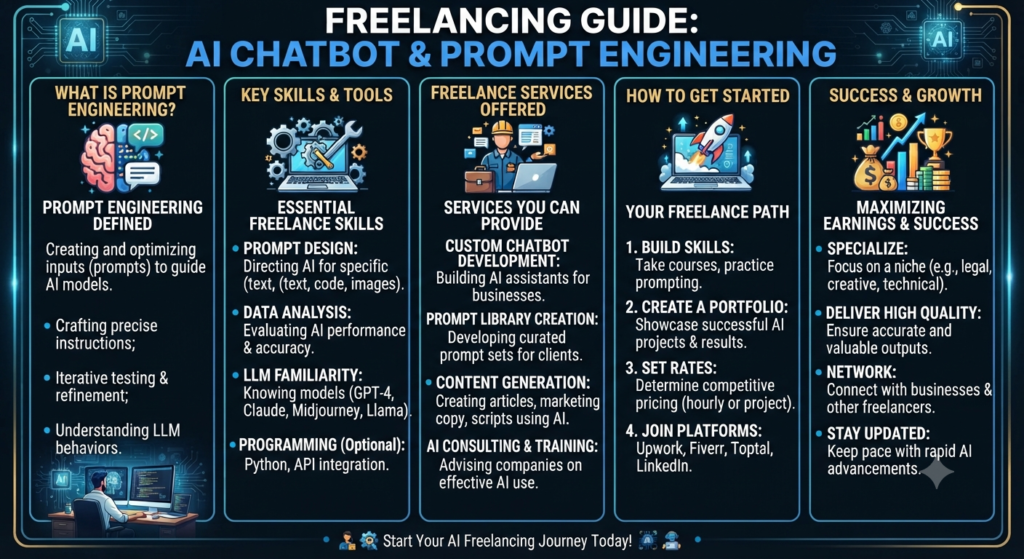
4. AI Chatbot and Prompt Engineering Freelancing
This one sounds technical, but it’s more approachable than it seems. Small businesses now want simple AI chatbots on their websites or WhatsApp to answer customer questions automatically. Setting these up doesn’t require coding, just careful prompt writing and some basic tool knowledge.
Prompt engineering, in plain terms, means writing instructions that get an AI tool to produce exactly the output a business needs. A restaurant might want a chatbot that answers menu questions politely. A tutoring center might want one that explains pricing and books consultations.
Students with a knack for logical thinking tend to pick this up quickly. You don’t need a computer science degree, just patience to test and refine prompts until they work reliably, plus basic familiarity with tools like ChatGPT’s custom GPTs or WhatsApp Business API integrations.
Here’s a simple path to your first gig:
- Learn the basics of custom GPT building through free YouTube tutorials, which usually take a weekend.
- Build one demo chatbot for a fictional business as a portfolio piece.
- Reach out to small local businesses that already have a WhatsApp Business number.
- Offer a free trial chatbot setup to your first client in exchange for a testimonial.
- Price your service between 3,000 and 8,000 shillings per basic chatbot setup.
This hustle pays less predictably than others, but a single client can bring in 20,000 shillings or more for a well-built system. Real Talk: businesses will expect ongoing support when their chatbot gives a wrong answer, so decide upfront whether you’re charging for maintenance separately or building that into your price.
5. Social Media Management With AI Tools
Every small business owner knows they should be posting on Instagram and TikTok consistently, but most don’t have the time or ideas to do it well. That gap is where student social media managers step in, using AI tools to speed up content planning and caption writing.
AI tools like ChatGPT can generate a month’s worth of post ideas in minutes, and Canva’s AI features can turn those ideas into scheduled graphics quickly. Your value as a manager comes from choosing what actually fits the brand and posting consistently, not from generating content alone.
This hustle suits students who already spend hours on social media anyway. If you understand what makes a post get engagement, you already have half the skill set needed. The other half is learning to plan content calendars and use scheduling tools properly.
To land your first client, try this:
- Pick a small local business you already follow or admire, ideally one with weak social media presence.
- Create a free one-week content plan for them using AI-generated captions and Canva designs.
- Message the owner directly, showing the plan and offering to manage their page for a trial month.
- Use a free scheduler like Meta Business Suite to post consistently without logging in daily.
- Track engagement numbers weekly and share a simple report with your client.
Student social media managers in Kenya typically charge 5,000 to 15,000 shillings per client per month, and managing three or four small accounts can add up nicely. Real Talk: results take time, usually a full month before engagement noticeably improves, so set that expectation clearly before you start or clients may drop you too early.
6. AI-Powered Virtual Assistant Services
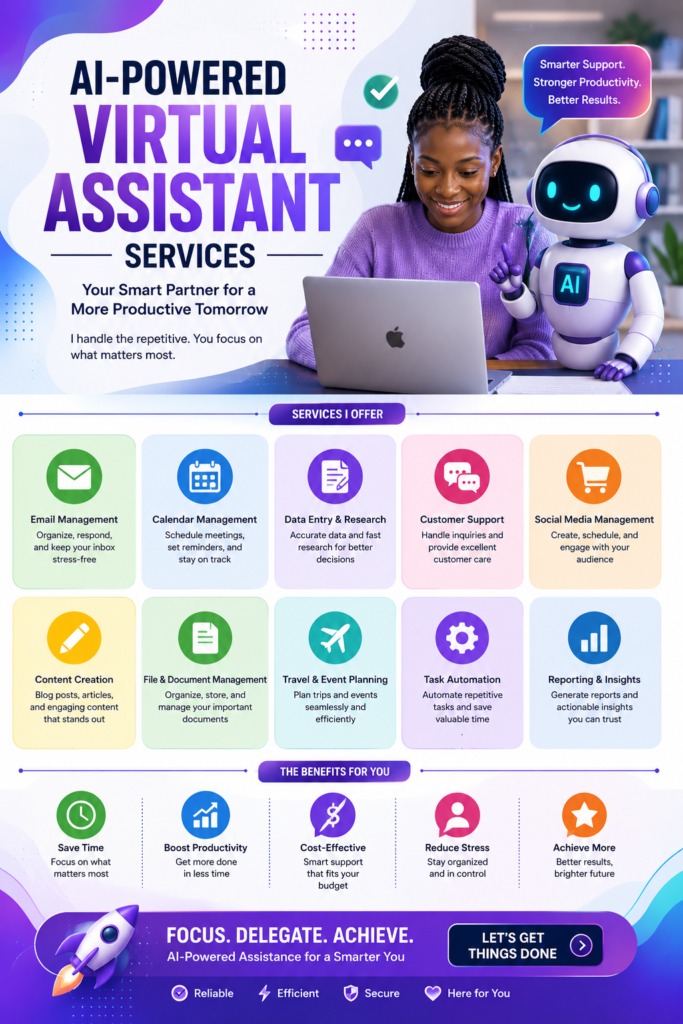
Busy entrepreneurs, especially those running online stores, often drown in emails, bookings, and repetitive admin work. A virtual assistant handles that load, and AI tools now make it possible to do this job faster and take on more clients at once.
As a virtual assistant, you might manage a client’s inbox, schedule meetings, or handle customer inquiries. AI tools like Notion AI help you organize tasks quickly, while ChatGPT drafts professional email responses in seconds instead of minutes.
This hustle rewards students who are naturally organized. It’s also more stable than most, since clients often want ongoing help rather than one-off projects, meaning steadier income once you land a good client.
Here’s how to break in:
- List the specific tasks you’re comfortable handling, such as email management, appointment booking, or data entry.
- Learn one scheduling tool like Calendly and one project tool like Trello or Notion.
- Create a simple one-page profile describing your services and hourly rate.
- Search Facebook groups and LinkedIn for small business owners asking for admin help.
- Start with a trial week at a lower rate to prove your reliability before raising your price.
Part-time virtual assistants in Kenya usually earn 18,000 to 28,000 shillings monthly, with rates climbing once you specialize in a niche like e-commerce or real estate support. Real Talk: clients will test your discretion with sensitive information like passwords and financial details, so protect your reputation by never sharing client data anywhere, even accidentally in a group chat.
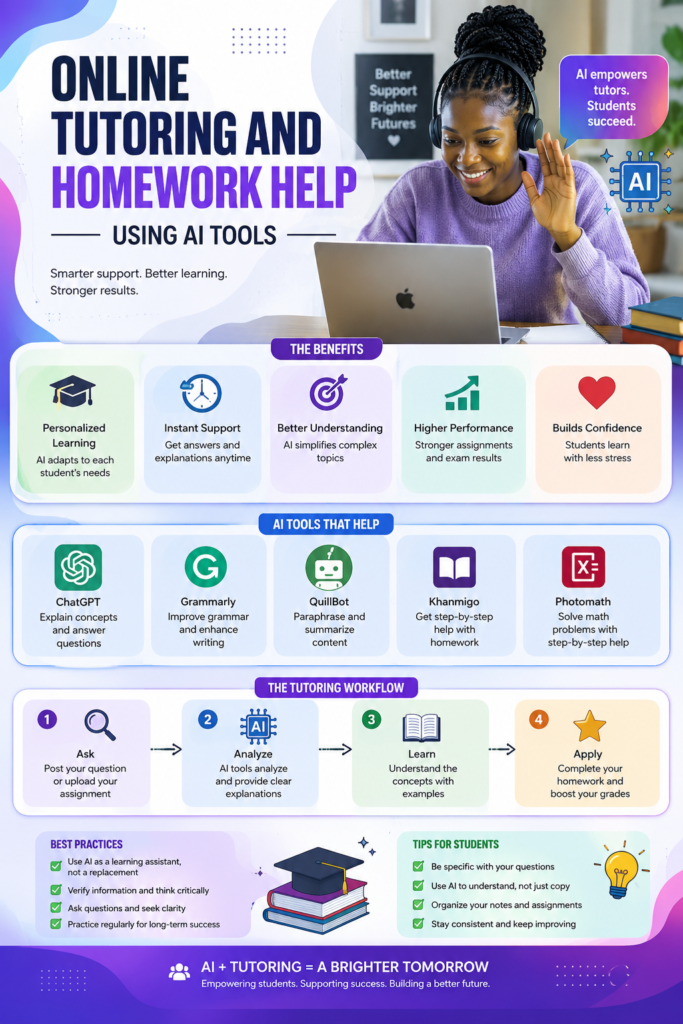
7. Online Tutoring and Homework Help Using AI Tools
If you’re strong in a subject like mathematics, chemistry, or English, tutoring is a natural fit, and AI tools make preparation much faster. Use ChatGPT to generate practice questions, explain tricky concepts simply, or build study guides tailored to a student’s weak areas.
Demand hasn’t slowed down, especially around exam seasons like KCSE or university coursework. Parents and students are often willing to pay for someone who explains things patiently, and AI tools help you prepare quality sessions without hours of manual prep.
What makes this hustle different is the trust factor. Parents want to know their child is in good hands, so building a reputation through referrals matters more here than flashy marketing.
Steps to get your first tutoring student:
- Choose one or two subjects you’re confident teaching at a specific level, like high school or first-year university.
- Use ChatGPT to build a sample lesson plan and a short practice quiz for that subject.
- Offer a free 30-minute trial session to a friend’s younger sibling or a neighbor.
- Ask for a referral or testimonial immediately after a successful trial session.
- Set a fair hourly rate, usually between 500 and 1,500 shillings depending on the subject and level.
Tutors who commit two or three evenings a week typically bring in 12,000 to 20,000 shillings monthly, with exam-season tutoring often paying more due to higher demand. Real Talk: AI-generated explanations sometimes contain small errors, especially in advanced math or science, so always double-check content before teaching it to a paying student.
8. AI Video Editing and Faceless YouTube Channels
Faceless YouTube channels have become a popular way for students to earn without ever showing their face on camera. You pick a niche, write scripts with AI help, generate a voiceover, and edit everything together using simple video tools, then monetize through YouTube ads or sponsorships.
Popular faceless niches include motivational content, African history explainers, tech reviews, or finance tips. The key is consistency, since YouTube’s algorithm rewards channels that post regularly rather than one viral video followed by silence.
AI tools cut down production time significantly. ChatGPT helps draft scripts quickly, ElevenLabs generates the voiceover, and tools like CapCut or Pictory handle the editing with templates that would otherwise take hours to build from scratch.
Here’s a starter plan:
- Choose a niche with steady search demand, and check what similar channels are already doing well.
- Script your first five videos using AI as a drafting assistant, keeping each one under eight minutes.
- Generate voiceovers and pair them with stock footage or simple animations in CapCut.
- Upload consistently, ideally two videos a week, and optimize titles and thumbnails for clicks.
- Apply for YouTube’s Partner Program once you hit the required watch hours and subscriber count.
This hustle takes longer to pay off than the others, often three to six months before real income starts, but successful channels can eventually earn 10,000 to 30,000 shillings monthly or more through ads and sponsorships. Real Talk: YouTube has cracked down on channels using purely AI-generated content with no original editing or commentary, so add your own structure, opinions, and editing style to avoid demonetization.
9. Data Labeling and AI Training Tasks
AI companies need enormous amounts of labeled data to train their models, and much of that work is outsourced to freelancers around the world, including students in Africa. Tasks range from tagging images and transcribing short audio clips to rating chatbot responses for quality.
This hustle doesn’t require creativity or writing skill, which suits students who want something straightforward to do during a break between classes. The pay per task is small, but it adds up once you’re registered on a few platforms.
Companies like Appen, Remotasks, and Toloka regularly post these micro-tasks, and new AI companies keep hiring for similar work as their models expand. Getting accepted usually involves a short qualification test to prove you follow instructions accurately.
To get started:
- Create accounts on two or three data labeling platforms like Appen, Remotasks, or Clickworker.
- Complete their qualification tests carefully, since accuracy matters more than speed at this stage.
- Set aside a fixed block of time daily, even just one hour, to build consistency.
- Track which task types pay best on each platform and prioritize those.
- Reinvest your first payment into a better internet connection if yours is unreliable, since these tasks are time-sensitive.
Earnings vary widely, but a consistent hour or two daily can bring in 8,000 to 15,000 shillings monthly. Real Talk: payment thresholds and withdrawal minimums differ by platform, and some take weeks to process your first payout, so treat this as a slow-burn income stream rather than quick cash.
10. Building and Selling Simple AI-Powered Tools or Apps
This is the most advanced hustle on this list, but no-code platforms have made it far more accessible than it used to be. You don’t need to know how to program to build a working app anymore. Tools like Glide and Bubble let you drag and drop your way to a functional product.
Students are building simple tools like AI-powered study planners, expense trackers, or niche chatbots, then selling access through a small monthly subscription or a one-time fee. The idea doesn’t need to be complicated. It just needs to solve one specific, annoying problem well.
What makes this hustle exciting is the potential for passive income. Once your tool is built and working, it can keep earning without you actively trading hours for money, unlike most other hustles on this list.
Here’s a simple starting process:
- Identify one small, annoying problem you or your classmates deal with regularly.
- Sketch out a simple solution on paper before touching any software.
- Use a no-code tool like Glide or Bubble to build a basic working version.
- Test it with 10 to 15 classmates and fix the issues they point out.
- Launch it with a simple pricing page and share it in relevant student WhatsApp groups.
Early income from this hustle is unpredictable, sometimes nothing for the first month, then a steady trickle once word spreads. Real Talk: building the tool is only half the work; without consistent marketing, even a genuinely useful app can sit unused, so budget time for promotion, not just development.
Getting Paid: PayPal, Payoneer, and M-Pesa Explained
Once the client work starts flowing, you’ll need a reliable way to actually receive your money. Most international platforms like Upwork and Fiverr don’t pay directly into M-Pesa, so you’ll need a middleman service first.
Payoneer is the most commonly used option among Kenyan freelancers because it integrates directly with Fiverr and Upwork, and it lets you withdraw straight to your local bank account or a Payoneer-linked card. PayPal works too, though fewer local banks support direct PayPal withdrawals smoothly, so double-check compatibility before relying on it.
Once the money lands in your local bank account, moving it to M-Pesa is usually just a matter of using your bank’s mobile app or USSD code. Keep in mind that each conversion step, from dollars to shillings, and bank to mobile money, usually comes with a small fee.
A few practical tips before you start earning:
- Set up your Payoneer or PayPal account before you land your first client, not after, since verification can take a few days.
- Compare conversion rates between providers occasionally, since they shift and can affect how much you actually receive.
- Keep a simple record of every payment for your own tracking, especially useful once tax season or scholarship applications come around.
Real Talk: Common Mistakes Students Make
A few patterns show up again and again with students trying these hustles for the first time. Chasing every hustle on this list at once usually backfires, since none of them get enough attention to actually grow. Pick one, give it a real month of consistent effort, and only then think about adding a second income stream.
Underpricing your first gigs to attract clients makes sense briefly, but staying underpriced for too long attracts clients who don’t value your time. Raise your rates every few months as your portfolio grows, even if it feels uncomfortable at first.
Relying entirely on AI output without adding your own judgment is probably the fastest way to lose clients. AI tools are assistants, not replacements for your thinking, editing, and quality checks.
Final Thoughts
Starting a side hustle as a student isn’t about finding a secret shortcut. It’s about picking one thing from this list, giving it real effort for a few weeks, and adjusting as you learn what works for you. AI tools just make that starting point faster and less intimidating.
I’d love to know which of these ten you’re most drawn to. Drop a comment below, or share this with a classmate who’s also hunting for extra income this semester. Small consistent steps beat big plans that never start.
Frequently Asked Questions
Do I need a laptop to start any of these hustles?
Not for all of them. Data labeling, tutoring, and social media management can often be done from a smartphone, though a laptop makes tasks like video editing and app building much easier.
Which hustle pays the fastest?
Content writing and data labeling tend to bring in your first payment the quickest, usually within one to two weeks of starting, since the tasks are shorter and platforms pay per completed job.
Is it legal to use AI tools for freelance work in Kenya?
Yes, there’s no law against using AI tools for freelance work. The main thing to watch is platform-specific policies, since some clients and platforms require you to disclose AI assistance or restrict fully AI-generated submissions.
Can I do more than one hustle at the same time?
You can, but I’d recommend mastering one first. Splitting your attention too early usually means slower progress on all of them rather than faster overall income.
How much data or internet do I need for these hustles?
Most tasks are lighter than you’d expect. A standard daily bundle handles writing, tutoring, and data labeling comfortably. Video editing and voiceover work use more data, especially when uploading finished files.