
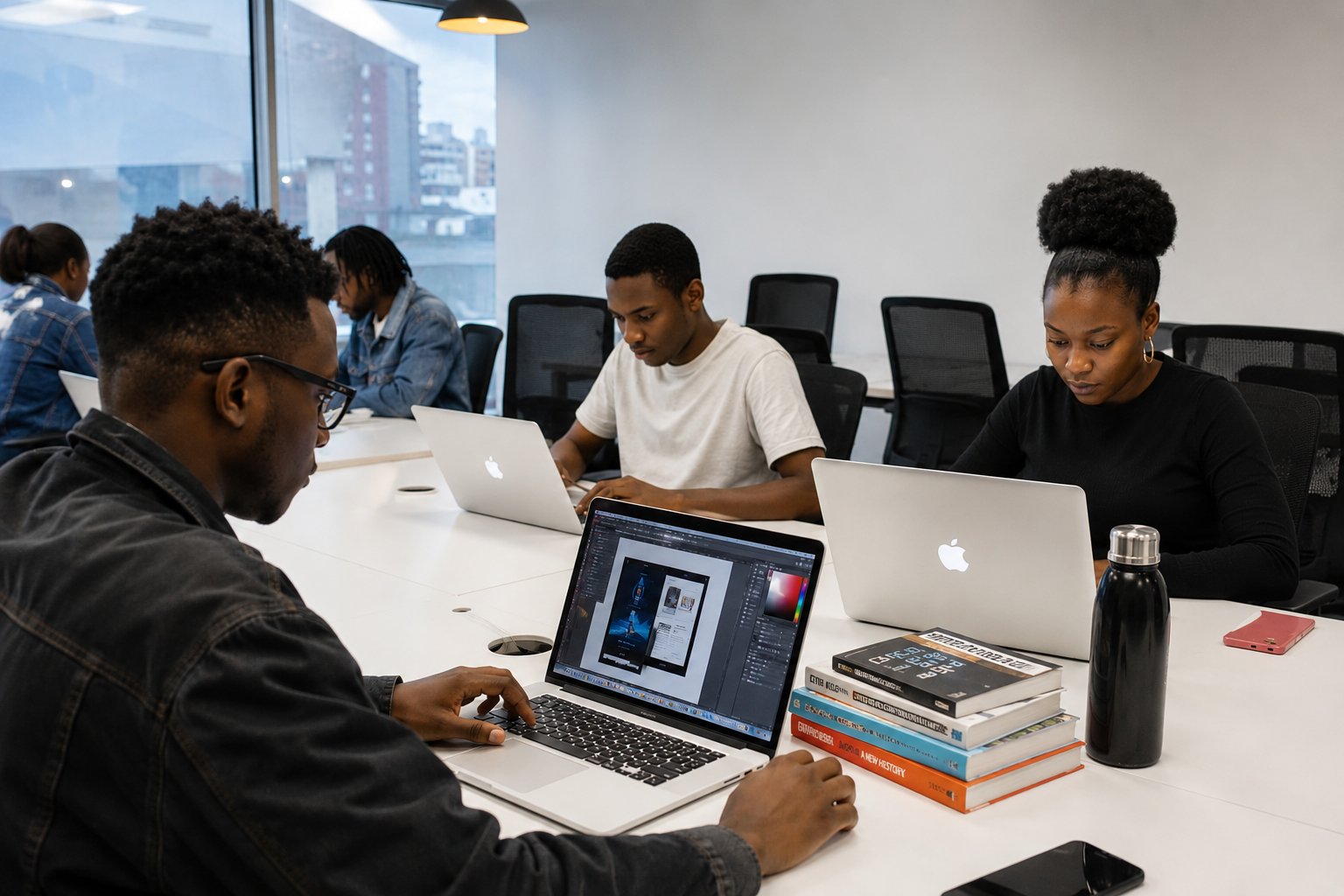
Have you ever looked at a beautifully designed billboard along Waiyaki Way or a sleek social media ad from a local Kenyan brand and thought, “I wish I could do that”? You aren’t alone. In our increasingly digital economy, graphic design has become one of the most sought-after skills. Whether you want to freelance from your house in Nairobi, land a corporate role in a bustling firm, or just help your local small business stand out, graphic design is your gateway.
The best part? You don’t need a university degree or an expensive tuition plan to get started. In 2026, the internet is packed with high-quality, free resources that can take you from a total beginner to a job-ready designer. You have the curiosity and the drive; now, let’s get you the roadmap to turn that into a professional career.
In this guide, we are going to break down exactly how you can learn graphic design for free while living right here in Kenya. We will look at the tools you need, the courses you should take, and—most importantly—how to package your work so that you can start earning your first paycheck sooner than you think. Let’s dive in.

1. Master the Fundamentals (Without Spending a Shilling)
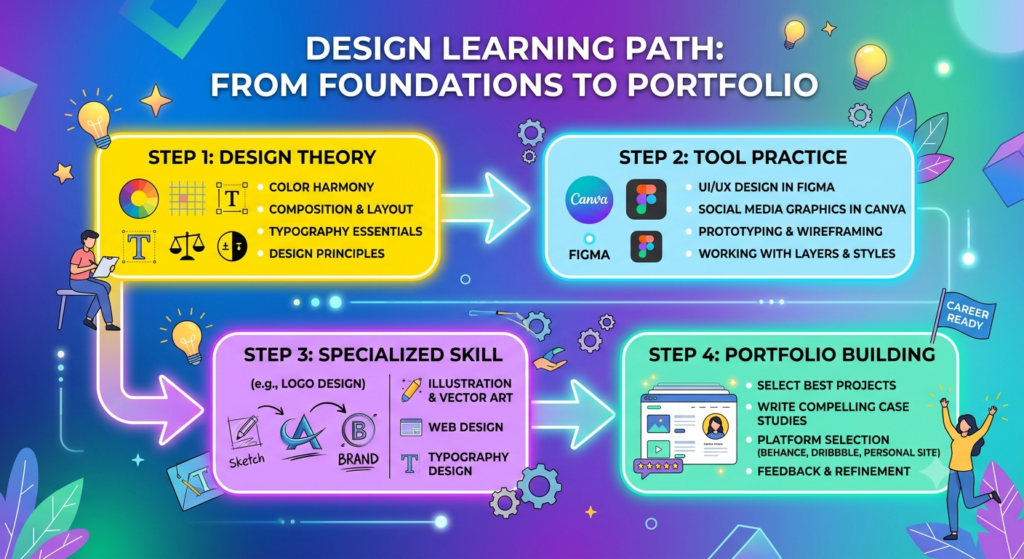
Before you touch any software, you must understand how visual communication works. Many beginners make the mistake of jumping straight into Photoshop or Illustrator and clicking buttons without purpose. Think of design like building a house: you wouldn’t start by painting the walls; you would start by laying a solid foundation. You need to grasp concepts like color theory, typography, and composition.
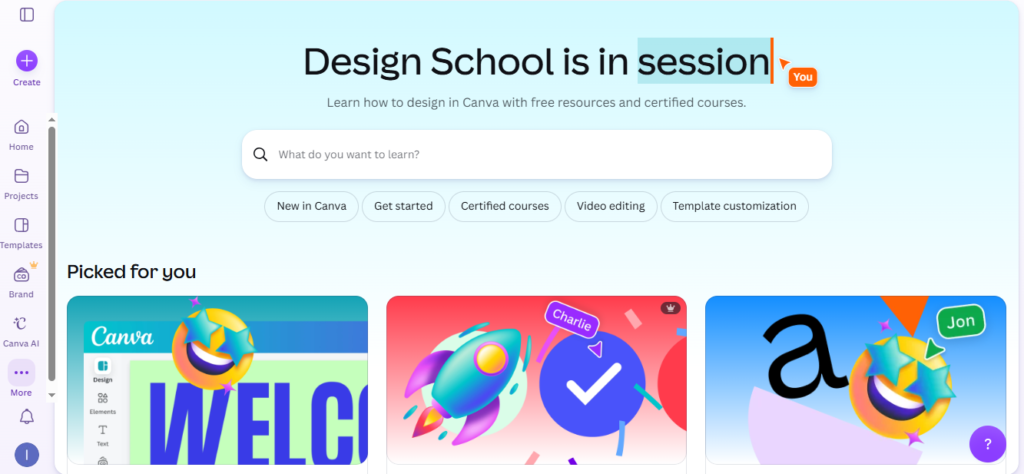
Color theory is the science of how colors interact and the emotions they evoke. For instance, why do food brands often use red and yellow? Because those colors are scientifically proven to stimulate appetite. Learning how to pair colors will make your designs look professional, not “cluttered” or “amateur.” You can find incredible free guides on platforms like Canva Design School or HubSpot Academy that explain these basics in simple terms.
Typography is equally critical. It is the art of arranging type to make written language legible, readable, and appealing. In Kenya, we see a lot of designs with clashing fonts that make them hard to read. By learning the difference between Serif and Sans-Serif fonts, and how to create hierarchy (knowing which text should be the biggest and boldest), you will instantly elevate your work above 90% of your peers.
Composition, or layout, is about how you arrange all those elements on a page or screen. Whether you are designing a poster for an event or a banner for a Facebook ad, the way you balance space, images, and text will determine if the viewer actually pays attention to your message. Use free platforms like Coursera to audit courses from top universities—they often have modules dedicated specifically to these foundational design principles.
Finally, keep a “Design Swipe File.” This is a folder (on your phone or laptop) where you save every ad, flyer, or website layout you see that you find impressive. When you are stuck on a project, open your file. Analyze why you like it. Is it the font? The color? This habit trains your “design eye,” which is the most valuable tool any professional designer owns.
2. Choosing Your “Starter” Software
There is a common myth that you need the latest, most expensive Adobe Creative Cloud subscription to be a “real” designer. Let me tell you: that is absolutely false. While Adobe is the industry standard, it is not the only way to get hired. In Kenya, many businesses just want high-quality work that converts, regardless of what software you used to build it.
Canva is arguably the best starting point for any Kenyan beginner. It is a web-based, drag-and-drop tool that has democratized design. Most of the social media content you see from Kenyan SMEs today is created in Canva. Its massive library of templates, fonts, and graphics allows you to start creating professional-looking visuals within your first hour of using the platform.
If you are ready for something more powerful, GIMP (GNU Image Manipulation Program) is your best free friend. It is an open-source, free alternative to Adobe Photoshop. It handles complex photo editing and layering just as well as the paid giants. While the interface can look a bit intimidating at first, there are thousands of free YouTube tutorials that will teach you exactly how to navigate it.
For those interested in web or interface design, look at Figma. Figma is the gold standard for UI/UX design, and it has a robust free tier for individual users. It runs in your browser, meaning it won’t crash your computer if you don’t have high-end hardware. Because so many modern startups in Nairobi are building apps and websites, knowing Figma is a massive advantage in the local job market.
Once you have chosen your tool, stick to it. Don’t fall into the trap of “tutorial hell” where you spend all your time watching videos but never actually building anything. Pick one tool, complete one project—even if it’s just a mock menu for your neighborhood restaurant—and then move to the next. Consistency is the bridge between wanting to be a designer and actually being one.
3. Where to Find Free, World-Class Training
You have access to the same knowledge as a student in New York or London. Because we live in the era of free information, you just need to know which “doors” to knock on. Don’t waste your time on low-quality content; focus on platforms that offer structured, high-value learning paths.
- Coursera (Audit Option): Many people don’t know this, but you can “audit” most courses on Coursera for free. You get access to the videos, readings, and community discussions. Look for the “Graphic Design Specialization” by CalArts—it is world-renowned and a fantastic way to get a university-level education at zero cost.
- HubSpot Academy: Their “Graphic Design for Beginners” course is perfect if you want to understand how design serves business goals. It’s highly practical and helps you bridge the gap between “making things pretty” and “making things that sell.”
- YouTube Channels: If you are a visual learner, YouTube is your best teacher. Channels like The Futur provide incredible insights into the business of design, while channels like Adobe Creative Cloud or Yes I’m a Designer offer deep dives into technical skills.
- Canva Design School: Don’t underestimate this. They have short, high-impact modules on branding, social media marketing, and presentation design that are specifically tailored to help you get work done faster.
- ProDesignSchool: They offer a structured “Graphic & Media Design Course” that is beginner-friendly and great for building a baseline of professional habits early on.
Make a schedule. Even if you only have one hour a day after work or school, be consistent. Treat this like a job. If you commit to one module every day, you will be shocked at how much you know within just three months. Most Kenyans who try to learn fail because they start with too much intensity and burn out; just be steady.
4. Building a Portfolio That Gets You Hired
In the creative world, your degree matters much less than your “proof.” Clients and employers in Nairobi want to see what you can actually build. If you don’t have past clients, you have to create “fake” projects that look like real ones. This is the secret to building a portfolio from scratch.
Start by identifying the industries you want to work in. Do you want to do social media graphics for restaurants? Real estate brochures? Tech startup logos? Go to platforms like Dribbble or Behance to see what professional work in those industries looks like. Then, create your own version. Redesign a logo for a local shop that has an outdated one, or create a mock Instagram ad campaign for a Kenyan brand you admire.
Quality always beats quantity. A portfolio with three incredible, well-thought-out projects is better than one with thirty mediocre designs. For each project, write a small case study. Explain the objective (e.g., “The goal was to make a clean, readable menu for a coffee shop”), the process (e.g., “I chose these specific colors to match the brand’s earthy vibe”), and the result.
Platforms like Adobe Portfolio (often included if you have a trial), Behance, or even a simple Instagram page can act as your portfolio. If you are starting out, a clean, well-curated Instagram page or a free Carrd.co website is more than enough to impress a potential local client. Just make sure the link is in your social media bios and your CV.
Remember, your portfolio is a living document. As you learn new skills—like learning how to animate your graphics or design for print—update your portfolio. Every time you finish a “passion project,” ask yourself if it’s good enough to be shown to a client. If it is, put it in. If it isn’t, go back and refine it.
5. Turning Your Skills Into Income
Now comes the fun part: making money. In Kenya, the demand for graphic designers is everywhere. From Saccos needing brochures to tech companies needing UI designers and SMEs needing social media content, there is no shortage of work. The key is to be proactive about finding it.
Start with your local network. Tell your friends and family what you are doing. Often, the first client you find is someone you already know. Even if you offer to do a project at a discounted rate to build your reputation, it’s a great way to get a testimonial. A positive review from a local business owner is gold in the Kenyan market.
Sign up for freelance platforms, but don’t rely on them exclusively. Websites like Fuzu or LinkedIn are great for finding full-time or contract roles. In fact, many Kenyan companies are now posting “Graphic Designer” or “Content Creator” roles specifically for people who have strong portfolios, even if they don’t have a formal degree.
Network online. Join Kenyan creative Facebook groups, follow local design influencers on Twitter/X, and participate in design challenges. The more people know you are the “go-to” person for design, the more referrals you will get. Always be professional: show up on time, communicate clearly, and deliver what you promise.
Finally, keep your eyes open for “niche” opportunities. Maybe you learn how to design high-quality presentations for corporate consultants, or maybe you specialize in infographics for NGOs. By picking a niche, you stop being a “generalist” and start being an “expert,” which allows you to charge more for your time. Your journey to becoming a professional designer in Kenya is just starting—stay curious, keep practicing, and don’t be afraid to share your work with the world.
Get Started Today!
Ready to elevate your creative career? At Online Jobs Kenya, we bridge the gap between passion and profession with our specialized Graphic Design & AI training. Master the latest industry-standard tools and learn how to harness the power of Artificial Intelligence to design faster, smarter, and more effectively.
Whether you’re a beginner or looking to sharpen your competitive edge, our practical training is designed to help you stand out in the global digital marketplace.
Ready to get started? Contact us through the form below to secure your spot today!
Leoncasion is on the list to recommend, easy to get in and navigate so it’s really a nice place. A++++ leoncasion