

Let’s be honest about the situation on the ground here in Kenya. Finding a traditional “8-to-5” job is tough. The tarmac is unforgiving, and the cost of living keeps climbing. I hear it every day from the brilliant young Kenyans I coach. You have the energy, you have the education, but the opportunities seem scarce.
But there is good news. The internet has leveled the playing field. It has opened a massive digital doorway that allows you to work for clients in Nairobi, New York, or London right from your living room in Kisumu or Mombasa. The digital economy is booming, and Kenyans are uniquely positioned to take advantage of it because of our high levels of English proficiency and tech-savviness.
Now, I know the biggest question on your mind because it’s the first thing everyone asks me: “Coach, do I need money to start?” The answer is a loud, resounding NO. You do not need capital to start earning online.
If anyone asks you for a “registration fee” or money for “training materials” before you get a job, run the other way. That is a scam. In this guide, I am going to show you legitimate ways to trade your skills and time for money, completely free of charge.
I have spent years navigating these digital streets, and I have helped hundreds of Kenyans transition from jobless to fully-fledged online earners. It isn’t magic, and it isn’t a get-rich-quick scheme. It is work. But if you are willing to put in the effort, the internet is ready to pay you. Let’s explore how.
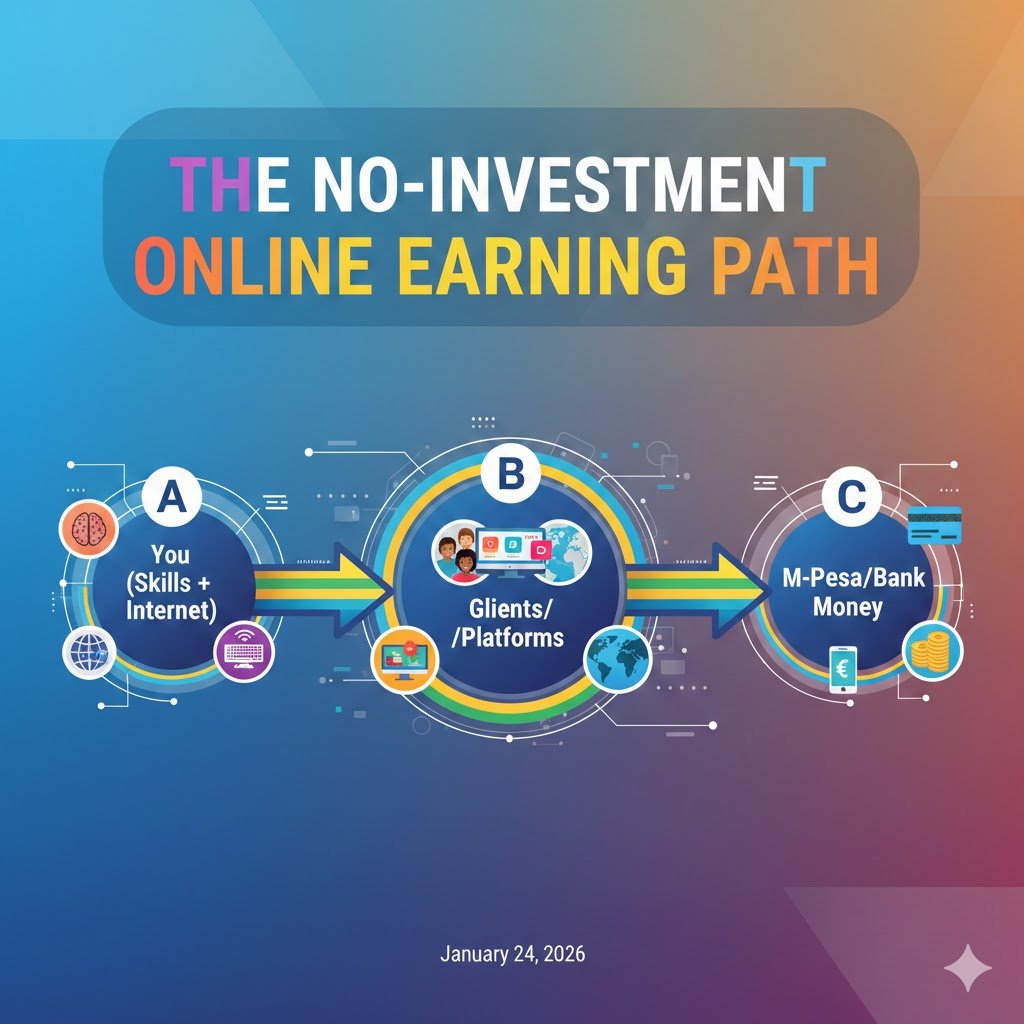
The Real Essentials: What You Actually Need Before Starting
Before we dive into the specific methods, we need to do a quick inventory. While you don’t need money for registration fees, you do need the basic tools of the trade. You cannot build a house without a hammer, and you cannot work online without connectivity.
- Reliable Internet Connection: This is your lifeline. You don’t need expensive fiber optic right away. A strong 4G signal and affordable data bundles can get you started. You need enough data to browse job boards, research topics, and submit work.
- A Working Device: For some jobs, like basic social media management, a good smartphone is enough. However, for serious writing, design, or transcription work, you will eventually need a laptop or a desktop computer. It doesn’t have to be brand new; a functional second-hand machine works perfectly fine.
- Tax PIN and ID: To register on legitimate platforms, you must be over 18 and have a National ID. You will also need your KRA PIN eventually, especially as your earnings grow, to remain compliant.
- Payment Gateways (Getting Paid!): How do you get the dollars into your pocket? You need a way to receive international payments.
- PayPal: This is the global standard for most freelance sites.
- M-Pesa Global: Crucial for moving money from PayPal directly to your phone.
- Wise (formerly TransferWise) or Payoneer: Excellent alternatives for direct client payments with better exchange rates.
Method 1: Freelance Writing (Monetizing Your English Skills)
If you did well in English composition in high school, or if you enjoy crafting engaging Facebook posts, freelance writing is perhaps the easiest entry point for Kenyans. The global demand for written content is insatiable. Every website, blog, and business needs articles, product descriptions, and newsletters every single day.
Kenyans have a massive advantage here because we speak and write “native-level” English. Many international clients prefer hiring Kenyan writers because we offer high-quality work at very competitive rates compared to writers in the US or UK. I started my own career this way, writing simple 500-word articles about travel and technology.
So, how does it work without investment? You join platforms that connect writers with clients. You do not pay to join these platforms; the platform takes a small percentage of what you earn after you complete a job. It is a win-win model. You browse through job listings, find a topic you understand, and “bid” on it (tell the client why you are the best person to write it).
When starting, you won’t be paid heaps of money. You might start earning $5 (approx. KES 750) for a 500-word article. That might not seem like much, but if you write two a day, that’s KES 1,500 daily. As you build a portfolio and get good reviews, you can increase your rates significantly.
Steps to Get Started in Writing:
- Choose a Niche: Don’t just be a “writer.” Be a “finance writer,” a “health writer,” or a “tech writer.” Specializing makes you more valuable.
- Create Samples: Before someone hires you, they need to see you can write. Write three high-quality articles in your chosen niche. Use Google Docs and make them perfect. These are your portfolio.
- Set Up Profiles: Register on platforms like Upwork, Fiverr, or WriterAccess. Fill out your profile completely with a professional photo and a strong description of your skills.
- Learn to Pitch: Your proposal cover letter is crucial. Don’t just say “I want this job.” Read the client’s requirements and explain specifically how you will solve their problem.
- Deliver Quality: When you get a job, meet the deadline and follow instructions perfectly. Good reviews are currency in the freelance world.
Method 2: Transcription and Captioning (Turning Audio into Text)
Transcription is another classic work-from-home opportunity that requires zero upfront investment. The job is simple in theory: you listen to an audio file or watch a video, and you type out exactly what is being said.
This industry is booming because of the explosion of video content. Think about every YouTube video, every podcast episode, every Zoom business meeting, and every legal proceeding. They all need text versions for accessibility, SEO, and record-keeping.
To succeed here, you need two things: sharp ears and fast fingers. You need to be able to understand different accents—American, British, Australian—sometimes spoken quickly or over background noise. You also need to type accurately and quickly to make the effort worth your time.
Many transcription platforms require you to pass a test before you can start working. These tests check your grammar and your ability to follow their specific formatting style guides. Do not be discouraged if you fail the first time; many successful transcribers failed their first attempt. Study their guidelines and try again.
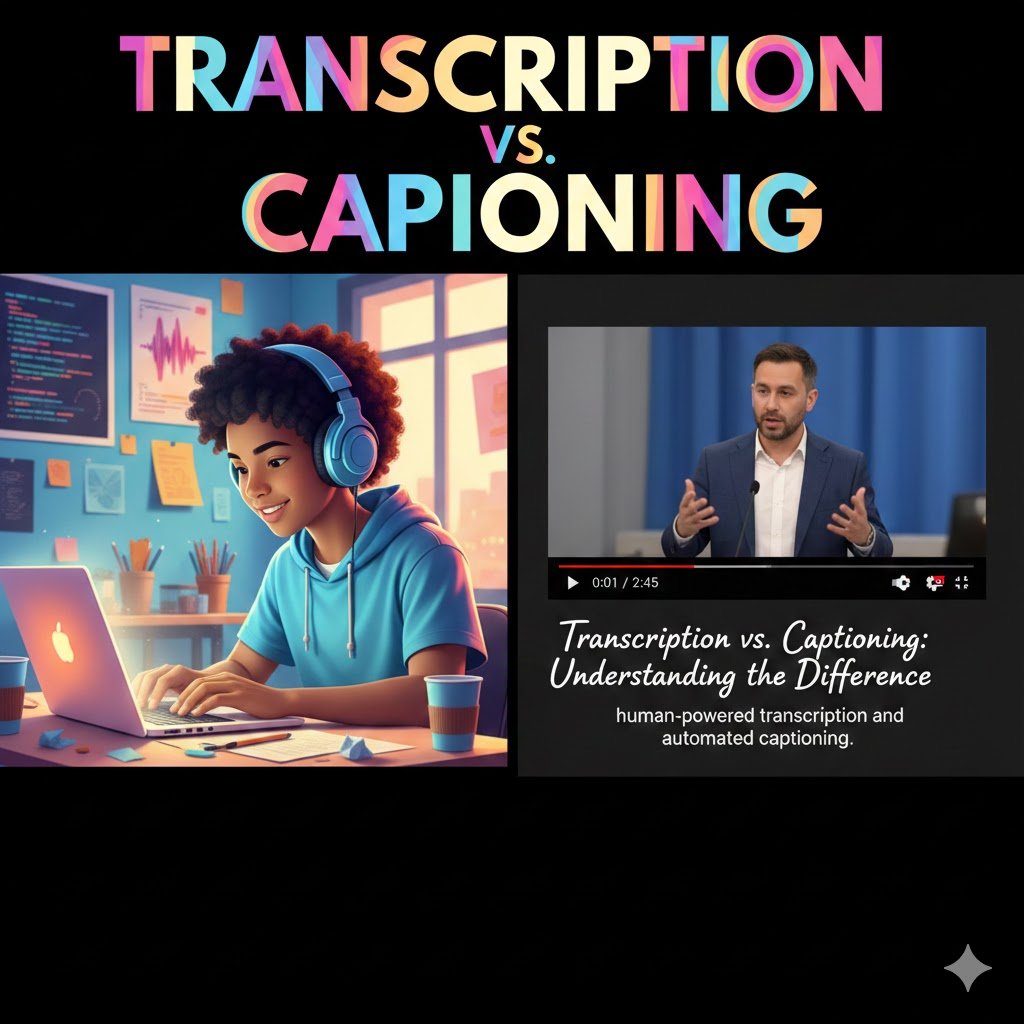
The Difference Between Transcription and Captioning:
- General Transcription: Typing out interviews, meetings, or podcasts. It usually requires identifying different speakers.
- Captioning/Subtitling: This involves taking video content and creating those text bars you see at the bottom of the screen. It requires more precision because the text must synchronize perfectly with the timing of the video.
Where to Find Work:
- Rev.com: One of the most popular and reliable sites. The entrance test is tough, but the pay is decent and consistent.
- TranscribeMe: A great place for beginners. They break audio into very short clips (sometimes just 2 minutes), making the work manageable.
- GoTranscript: They accept dozens of languages, so sometimes you might even find Swahili transcription jobs, though English is the main requirement.
Method 3: Becoming a Virtual Assistant (The Digital Office Manager)
This is one of the fastest-growing sectors in online work. A Virtual Assistant, or VA, is exactly what it sounds like: an assistant who works remotely. But don’t just think of “secretarial” work. The modern VA is a multi-skilled digital professional.
Business owners, entrepreneurs, and busy executives globally are overwhelmed. They are drowning in emails, social media tasks, calendar scheduling, and customer service inquiries. They need someone organized and reliable to take these tasks off their plate so they can focus on growing their business.
This is perfect for Kenyans who have worked in an office environment before. If you have experience in administration, customer support, HR, or data entry, you already have the skills needed to be a VA. The only difference is that your boss is on the other side of the world, and you communicate via email and Zoom.
The beauty of becoming a VA is that you can define your own services based on what you are good at. Are you great at Instagram? Be a Social Media VA. Are you organized with numbers? Be a Bookkeeping VA.
Common Tasks for a Beginner VA:
- Email Management: Filtering spam, organizing folders, and replying to routine inquiries.
- Calendar Management: Scheduling meetings and ensuring there are no time zone conflicts.
- Social Media Scheduling: Using tools like Buffer or Hootsuite to schedule posts for clients.
- Data Entry: Inputting information into spreadsheets or CRMs (Customer Relationship Management systems).
- Internet Research: Finding leads, researching competitors, or gathering data for reports.
How to Land Your First VA Client:
While you can use platforms like Upwork, the best VA clients are often found through networking. Optimize your LinkedIn profile to clearly state, “I help busy entrepreneurs manage their admin tasks.” Join Facebook groups geared towards small business owners (international ones) and be helpful in the comments. Eventually, someone will ask for help, and you can pitch your services.
Method 4: Organic Affiliate Marketing (Earning by Recommending)
Affiliate marketing often gets a bad reputation because of people pushing expensive courses or “pay-to-join” pyramid schemes. But real affiliate marketing is a legitimate business model used by the world’s biggest companies, including Amazon and, locally, Jumia.
Here is the simple concept: You sign up for an affiliate program with a company selling a product. They give you a unique link. When someone clicks your link and buys the product, you get a commission. You earn a slice of the sale without ever owning the product, dealing with shipping, or handling customer service.
The “no investment” constraint is crucial here. Many people spend money on Facebook or Google ads to drive traffic to their links. Since we are working with zero budget, we need to use organic traffic. This means using free methods to get people to see your recommendations.
How to do Affiliate Marketing for Free in Kenya:
- Choose the Right Products: Don’t try to sell snow tires to Kenyans. Pick products relevant to your audience. In Kenya, Jumia’s affiliate program is very popular for electronics, fashion, and home goods. Globally, you can join the Amazon Associates program if you have an audience interested in international products.
- Use Your WhatsApp Status: This is powerful in Kenya. If you find a great deal on a blender on Jumia, grab your affiliate link, write a short review on your status, and post the link. You will be surprised how many friends might purchase it based on your recommendation.
- Create Helpful Content on Social Media: Don’t just spam links. Create value. If you are into beauty products, start a TikTok channel reviewing affordable makeup available in Kenya. Put your affiliate link in your bio. If you love tech, write threads on X (formerly Twitter) comparing budget smartphones, using your affiliate links for the final recommendation.
- Solve Problems: People buy things to solve problems. Identify a problem your friends or followers have, find a product that solves it, and recommend it honestly with your link. Trust is your biggest asset here. If you recommend junk just for a commission, you will lose your audience fast.

Method 5: Content Creation on TikTok and YouTube (The Long Game)
Let me be clear: this is not an overnight path to riches. This is the long game. But it is also one of the most lucrative paths if you stick with it, and it costs nothing but time and creativity to start.
Kenya has a massive, hungry audience for digital content. We are consuming hours of video daily. The shift you need to make is moving from a consumer to a creator.
You don’t need a fancy camera. The smartphone in your pocket is enough. The most important thing is having an interesting angle, being authentic, and being consistent.
Finding Your Angle:
What are you passionate about?
- Comedy: Skits about daily Kenyan life always perform well.
- Education: Are you good at math? Teach it on TikTok in short bursts. Good at Excel? Share quick tips.
- Lifestyle/Vlogging: Share your daily routine, cooking cheap meals, or budget travel tips within Kenya.
How Monetization Works (Eventually):
- YouTube Partner Program: Once you hit 1,000 subscribers and 4,000 watch hours, Google starts paying you to show ads on your videos. It takes time to get here, but the passive income is real.
- TikTok Creator Fund: While not fully robust in Africa yet, TikTok is increasingly finding ways to pay creators.
- Brand Deals (The Real Money): This is where Kenyan creators make the most. Once you have a dedicated following—even just 5,000 loyal fans—local brands will approach you to promote their products. A small bank might pay you to mention their new student account, or a food brand might send you products to cook with in a video.
The key here is to just start. Your first 10 videos will be terrible. That’s okay. Everyone’s first videos are terrible. Keep improving, keep posting, and building an audience.
Vital Warning: Avoiding the “Online Jobs” Scams
I cannot end this guide without this crucial warning. The desperation for work in Kenya has bred a nasty industry of scammers preying on beginners.
Please, memorize these red flags. If you see them, block that person and move on.
- The Registration Fee: I will say it again: no legitimate employer asks you to pay money to get a job. If they ask for KES 500 for “registration,” KES 2,000 for “software,” or money for an “account activation,” it is a scam. Period.
- The “Typing Job” Telegram Scams: You will see ads on Facebook for “simple typing jobs.” They will direct you to a Telegram group. They will promise you thousands of shillings to retype scanned images into Word documents. But before you get paid, they will demand a “linking fee” or “insurance fee.” This is the most common scam in Kenya right now. Do not fall for it.
- If It Sounds Too Good To Be True… If someone promises you KES 10,000 a day for 1 hour of work with no skills required, they are lying. Online work pays well, but it pays fair market rates for actual effort.
Your Journey Begins With One Step
We have covered a lot of ground here. You now have five solid, proven paths to earning money online in Kenya without spending a single shilling on registration fees.
Whether you choose to write, transcribe, assist, recommend, or create, the fundamental principles are the same: learn a skill, offer value, be professional, and be persistent.
The internet has removed the physical barriers to employment. It doesn’t matter where you live or who you know. What matters is what you can do.
Don’t let this information just sit in your head. Pick one method from this list—just one—and take the first step today. Create that profile. Write that first sample. Record that first video.
The digital world is waiting for you. Go claim your spot.
If you found this guide helpful, please share it with a friend who needs a breakthrough. Let me know in the comments which method you are going to try first!
And if you need personalized 0ne-on-one coaching on any of the ideas we’ve discussed, feel free to sign up through the contact form below.